WELCOME TO NAMA AUTOMATION FAQ
Your Most Frequently Asked Questions, Answered.
Join us on the path to industrial excellence. Contact NAMA Automation today and discover how we can help you unlock the full potential of your operations.
- All
- AGV AND WAREHOUSE
- BULK HANDLING
- CONVEYORS
- END OF LINE
- GENERAL CONVEYORS
- LABLING AND PRINTING
- Products
- SECONDARY PACKAGING
- Weighing & Batching
Yes. Nama Automation designs and supplies automatic weighing and batching systems that measure and combine raw materials into precise, repeatable batches. These systems need minimal manual input to run.
Our batch weighing systems use calibrated load cells and dosing controls to maintain tight accuracy across ingredient runs. They work whether you’re handling powders, granules, or liquids. Because the process is automated, manufacturers reduce material waste and cut labor dependency. As a result, they also gain tighter control over formulation consistency from batch to batch.
Our industrial batching solutions serve food, beverage, pharmaceutical, and home care production lines. In these industries, automated dosing and weighing accuracy directly affects product quality and regulatory compliance.
Our engineering team works with you to select the right weighing and batching equipment for your needs. We consider your production volume, material type, and accuracy requirements. Options range from standalone weighing stations to fully integrated batching lines connected to your existing process control systems.
Yes. Nama Automation offers beverage can plant automation solutions covering filling, seaming, and end-of-line processes to keep high-speed can production lines running efficiently and reliably. Our systems are built to maintain product quality while maximizing throughput. Our team can help design an automation setup tailored to your can plant.
Yes. Nama Automation provides bulk material handling automation systems designed to move, convey, and process bulk materials efficiently with minimal manual intervention. Our solutions improve throughput, reduce product loss, and adapt to a wide range of industries. Get in touch to configure a bulk material handling setup for your facility.
Yes. Nama Automation offers weighing and batching software that helps monitor, control, and optimize batch accuracy and traceability across your production process. It integrates with our weighing and batching systems to improve consistency and reduce waste. Our team can help set up a solution suited to your operational needs.
Yes. Nama Automation offers food batch weighing systems designed to accurately measure and dispense food ingredients in precise, repeatable batches while maintaining hygiene standards. These systems improve consistency and reduce waste across food production lines. Our team can help configure a batch weighing solution for your specific product.
Yes. Nama Automation offers secondary packaging automation solutions, including case packing, cartoning, and related equipment designed to efficiently group, box, and prepare products for shipment. Our systems boost speed and consistency while reducing manual handling. Our team can help configure a secondary packaging solution for your production line.
Yes. Nama Automation provides flex screw conveyors designed to efficiently transport powders, granules, and bulk materials through tight or complex plant layouts, while minimizing product degradation and simplifying maintenance. Our team can help design a conveying solution suited to your material and space requirements.
Yes. Nama Automation provides bulk plant automation solutions covering material conveying, storage, weighing, and processing to streamline your entire bulk handling operation. Our systems are designed to improve efficiency, reduce manual labor, and adapt to a wide range of industries. Our team can help design a full bulk plant automation setup for your facility.
Yes. Nama Automation offers mining conveyor automation systems built to reliably transport bulk materials under demanding industrial conditions. Our solutions are engineered for durability, efficiency, and minimal downtime in heavy-duty environments. Our team can help design a conveyor automation setup suited to your mining operation.
Yes. Nama Automation provides flexible screw conveyor systems designed to efficiently transport powders, granules, and bulk materials through tight or complex plant layouts. These systems minimize product degradation and simplify cleaning and maintenance. Our team can help design a conveying solution suited to your material and space requirements.
Yes. Nama Automation provides automated bulk systems designed to move, convey, and process bulk materials efficiently with minimal manual intervention. Our solutions improve throughput, reduce product loss, and adapt to a wide range of industries. Get in touch to configure a bulk system for your facility.
FlexBag is a flexible bag packaging solution offered by Nama Automation, designed for efficient, high-speed automated filling and sealing of powders, granules, and bulk products. It reduces material costs while maintaining strong product protection and shelf appeal. Our team can help you integrate FlexBag into your production line.
Yes. Nama Automation provides flexible auger conveyors designed to efficiently transport powders, granules, and bulk materials through tight or complex plant layouts while minimizing spillage and product degradation. Our team can help design a conveying solution suited to your material and space requirements.
Yes. Nama Automation offers bulk automation solutions designed to move, convey, and process bulk materials efficiently with minimal manual intervention. Our systems improve throughput, reduce product loss, and adapt to a wide range of industries. Get in touch to configure a bulk automation setup for your facility.
Nama Automation provides the EasyBatch batch weighing system, engineered to accurately measure and dispense materials into precise, repeatable batches with a simple, user-friendly interface. It’s designed to reduce waste, improve consistency, and integrate smoothly into automated production lines. Get in touch to see if EasyBatch is the right fit for your process.
Yes. Nama Automation offers weighing and batching systems that accurately measure and combine materials into consistent batches for further processing or packaging. These systems reduce waste and improve process control across a range of industries. Our team can help design a system tailored to your production needs.
Yes. Nama Automation provides batch weighing machines designed to accurately measure and dispense materials in precise, repeatable batches. These machines improve product consistency, reduce waste, and integrate smoothly into automated production lines. Our team can help configure the right batch weighing solution for your process.
Yes. Nama Automation sells flexible screw conveyors engineered to efficiently move powders, granules, and bulk materials through tight or complex plant layouts, while minimizing product degradation and simplifying cleaning. Our team can help you select the right conveyor size and configuration for your application.
Yes. Nama Automation provides flexible screw conveyors designed to efficiently move powders, granules, and bulk materials through tight or complex plant layouts. These conveyors reduce product degradation and simplify cleaning and maintenance. Our team can help design a conveying solution suited to your material and space requirements.
Nama Automation is a provider of industrial automation and packaging equipment, offering solutions across bulk handling, conveying, weighing, primary and secondary packaging, and end-of-line systems for industries including food, beverage, pharmaceuticals, personal care, and tobacco. Nama serves clients across the MENA region with equipment tailored to their production needs. Reach out to discuss your automation requirements.
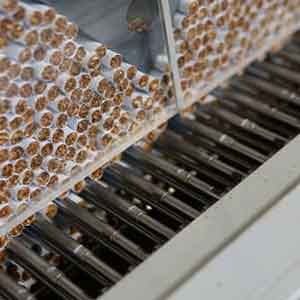
Yes. Nama Automation provides tobacco automation equipment covering primary handling through secondary packaging, end-of-line, and warehouse logistics. Our solutions are built for the high speeds, strict regulatory demands, and precision required in tobacco production. Our team can help configure the right automation setup for your tobacco line.
Yes. Nama Automation provides flexible screw conveyors designed to efficiently transport powders, granules, and bulk materials through tight or complex plant layouts. These conveyors minimize product degradation and simplify cleaning and maintenance. Our team can help design a conveying solution suited to your material and space requirements.
Yes. Nama Automation provides flexible bag packaging solutions designed for efficient, high-speed automated filling and sealing of powders, granules, and bulk products. These flexible formats reduce material costs while maintaining product protection and shelf appeal. Our team can help you integrate flexible bag packing into your line.
Yes. Nama Automation offers flexible pouch packaging solutions engineered for high-speed, automated filling and sealing of liquids, powders, and granular products. These pouches provide product protection with reduced material use and packaging cost. Our team can help integrate flexible pouch packing into your production line.
Yes. Nama Automation offers automatic batch weighing systems that precisely measure and dispense materials with minimal manual input, ensuring consistent batch accuracy and reduced waste. These systems are built to integrate seamlessly into automated production lines. Our team can help configure a system suited to your specific materials and throughput needs.
Yes. Nama Automation provides batch weighing equipment designed to accurately measure and dispense materials in precise, repeatable batches. These systems improve product consistency, minimize waste, and integrate smoothly into automated production lines. Our team can help configure the right batch weighing solution for your process.
Yes. Nama Automation offers flexible bag packaging solutions designed for efficient, high-speed automated filling and sealing of powders, granules, and bulk products. These flexible formats reduce material costs while maintaining product protection and shelf appeal. Our team can help you integrate flexible bag packing into your line.
Yes. Nama Automation provides batch weighing systems designed to accurately measure and dispense materials in precise, repeatable batches. These systems improve product consistency, reduce waste, and integrate smoothly into automated production lines. Our team can help configure a batch weighing solution for your process.
Yes. Nama Automation manufactures industrial bulk automation machinery engineered for high-volume material handling, conveying, and processing. Built for reliability and efficiency, our machinery supports demanding industrial environments across multiple sectors. Contact us to discuss the right bulk automation setup for your operation.
Yes. Nama Automation offers bulk ingredient handling solutions built to transport, store, and manage raw ingredients cleanly and efficiently across production lines. Our systems help maintain product integrity and consistency while reducing manual labor. Our team can tailor a solution to your specific ingredients and process.
Yes. Nama Automation provides bulk handling automation systems designed to move, convey, and process bulk materials efficiently with minimal manual intervention. Our solutions improve throughput, reduce product loss, and adapt to a wide range of industries. Get in touch to configure a bulk handling setup for your facility.
Aronpak is an Italian-engineered range of packaging technology, offering depalletizing, filling, and seaming solutions for containers of all types — glass, plastic, tinplate, aluminum, and cardboard — across food, beverage, and canning production lines. Nama Automation is proud to provide Aronpak equipment across the MENA region, bringing this high-precision Italian engineering to local producers looking to boost line speed, reliability, and product integrity.
Yes. Nama Automation provides automated packaging systems for beverages, designed to efficiently pack bottles, cans, cartons, and pouches with speed, precision, and consistency. Our solutions support various beverage formats — from carbonated drinks to juices and dairy — while maintaining hygiene standards and minimizing product damage. Our team can help design a packaging solution tailored to your production line and beverage type.
Yes. Nama Automation provides automated food storage systems designed to safely and efficiently store bulk and packaged food products while maintaining hygiene, quality, and traceability. Our solutions streamline inventory flow, reduce manual handling, and integrate smoothly with upstream packaging and handling processes. Our team can help design a storage solution tailored to your facility’s specific needs.
Yes. Nama Automation provides articulated manipulators — multi-jointed robotic arms designed for flexible, human-like motion in tasks such as picking, placing, packing, and material transfer. Built for precision and durability, they integrate easily into automated production lines to boost speed, accuracy, and consistency while reducing manual handling. Our team can help you select and configure the right manipulator for your specific application.
Yes. Nama Automation provides articulated industrial robots — multi-axis robotic arms engineered for precise, repeatable motion in tasks like pick-and-place, palletizing, packing, and material handling. With flexible reach and the ability to integrate seamlessly into existing production lines, these robots help boost speed, consistency, and efficiency while reducing manual labor. Our team can help you select and configure the right robotic solution for your specific application.
Yes. Nama Automation provides agricultural bulk handling automation systems designed to efficiently move, sort, and process bulk agricultural materials — such as grains, seeds, and other loose commodities — with minimal manual intervention. Our solutions are built to improve throughput, reduce product damage, and maintain hygiene standards across the handling process. Whether you’re looking to automate intake, conveying, or bulk packaging stages, Nama’s engineering team can design a system tailored to your facility’s needs.
AGV, LGV, RGV, and ATL: What’s the Difference?
In the world of industrial automation and logistics, four acronyms come up constantly — AGV, LGV, RGV, and ATL. They’re often used interchangeably, but they refer to distinct technologies with different capabilities, costs, and use cases. Here’s a clear breakdown of each.
AGV — Automated Guided Vehicle
AGV is the umbrella term for any driverless vehicle that follows a fixed, pre-programmed path. Guidance is achieved through physical or electromagnetic means — magnetic tape, wires embedded in the floor, or optical tracks painted on the surface. AGVs are reliable and cost-effective in structured, predictable environments like warehouses and assembly lines. Their main drawback is inflexibility: changing a route often means physically modifying the floor infrastructure.
LGV — Laser Guided Vehicle
LGV is technically a subcategory of AGV, but it represents a meaningful step forward. Instead of following a physical track, the vehicle emits a laser beam that reflects off fixed reflectors installed around the facility, calculating its precise position in real time. Because routes are defined in software rather than on the floor, LGVs are far easier to reconfigure. This makes them popular in dynamic environments like distribution centers and automotive plants. In Europe especially, the term LGV is often used as a general synonym for AGV, which can cause confusion — but the laser-based navigation is what truly sets it apart.
RGV — Rail Guided Vehicle
RGVs move along fixed steel rails or tracks, making them the most constrained system in this group. There is no navigation intelligence involved — the rail defines the only possible path. What RGVs sacrifice in flexibility, they more than make up for in speed, load capacity, and precision. They are the go-to choice for automated storage and retrieval systems (AS/RS), shuttle systems, and heavy manufacturing environments where throughput is the top priority and the layout never changes.
ATL — Autonomous Transport / Logistics
ATL represents the most modern evolution in this space, closely related to what is also called AMR (Autonomous Mobile Robot). ATL vehicles use onboard sensors — LiDAR, cameras, and AI — to map their environment and navigate freely without fixed paths, reflectors, or rails. They detect obstacles, re-route dynamically, and can coordinate in fleets. The trade-off is that they are generally slower and carry lighter loads than RGVs. However, they require virtually no floor infrastructure, making them fast to deploy and easy to scale.
The Core Distinction
These four technologies sit on a spectrum from rigid to intelligent. RGV is locked to a rail. AGV follows a fixed floor path. LGV replaces the physical path with laser positioning. ATL abandons fixed infrastructure altogether in favor of onboard intelligence.
The most important divide is between infrastructure-dependent systems (RGV, AGV, LGV) and infrastructure-free systems (ATL). That gap represents the real technological leap in modern logistics automation — and it’s where the industry is rapidly heading.
- Standalone → Suitable for phased upgrades, existing lines, or specific bottlenecks (e.g., adding a shrink wrapper).
- Turnkey/integrated → Preferred for new lines or major retrofits (single-vendor responsibility, optimized flow, tested together, faster startup, better data integration via PLC/SCADA). In food/beverage, integrated systems with hygienic design and quick sanitation are common to minimize downtime.
It adds a protective barrier against impacts, moisture, dust, and tampering during distribution. Proper collation prevents shifting/collapse on pallets, reduces transit claims, and optimizes cube utilization (better truck loading). In retail, shelf-ready designs speed stocking and improve presentation.
It enables lighter-weight materials (e.g., reduced-caliper corrugated, mono-material films), right-sizing to minimize waste, recyclable designs (e.g., paper-based shrink alternatives), and display-ready formats that reduce retail repacking. Many brands aim for 100% recyclable secondary packaging while maintaining protection and shelf appeal.
- Handling high SKU variety and frequent changeovers
- Limited floor space for equipment
- Preventing product damage or collapse during packing/transport
- Maintaining hygiene and allergen control
- Material costs and waste (e.g., over-wrapping)
- Achieving sustainability goals (recyclable/reduced materials)
- Integration with upstream primary packaging and downstream palletizing Solutions include modular designs, quick-change tooling, vision systems, and lightweight/recyclable formats.
- Robotic pick-and-place → Highly flexible for mixed SKUs, irregular shapes, gentle handling (e.g., pouches, trays), quick changeovers, smaller footprint; ideal for snacks, confectionery, or frequent format switches.
- Traditional (mechanical drop, side-load, wrap-around) → Higher speeds for uniform products (e.g., cans, bottles), lower cost, reliable for high-volume single-SKU runs. Choose robotic for variety/allergen flexibility; traditional for stable, high-throughput lines.
- FDA FSMA (21 CFR Part 117) — Preventive controls, sanitation, allergen management
- NSF/ANSI standards — Equipment cleanability and food-contact materials
- BRCGS / IFS / FSSC 22000 — Global food safety standards requiring hygienic design
- GFSI benchmarks — For audit compliance
- Sustainability regs (e.g., EU PPWR, recycled content mandates)
- Labeling rules (FDA, allergen declarations if applicable) Equipment must use food-grade materials, allow easy cleaning (no crevices), and support segregation for allergens.
High-speed lines (hundreds of units/min) demand consistency to avoid bottlenecks. Automation reduces labor, minimizes human contact (lowering contamination risk per FSMA/HACCP), handles variable SKUs quickly, ensures stable loads to prevent transit damage, supports traceability (e.g., coding), and improves OEE. It also enables gentle handling for fragile items like pouches or glass.
- Case erectors / tray formers — Assemble flat blanks into cases or trays
- Case packers (top-load, side-load, wrap-around, robotic pick-and-place) — Load primaries into cases
- Cartoners — Form, fill, and close folding cartons
- Shrink wrappers / bundlers — Apply and heat-shrink film around groups
- Tray sealers / overwrappers — Seal film over trays
- Case sealers (tape or glue) — Close and secure cases
- Labelers / coders — Apply batch codes, barcodes, or promotional labels
- Palletizers / depalletizers — Often integrated as the bridge to tertiary
- Corrugated cases/boxes (RSC, wrap-around)
- Folding cartons/multipacks (e.g., 6-packs of yogurt, cereal boxes)
- Shrink-wrapped bundles or trays
- Tray + film overwrap
- Display-ready cases (shelf-ready with tear-away features)
- Plastic crates or reusable totes (for distribution)
- Bag-in-box or cluster packs These formats balance cost, protection, sustainability, and retail requirements (e.g., easy shelf stocking).
Secondary packaging is the outer layer that groups and protects one or more primary packages (the direct-contact packaging like bottles, pouches, or cans) for handling, storage, transport, and retail display. Examples include cardboard cartons holding 12 cans, shrink-wrapped multipacks, or trays with film overwrap.
- Primary → Touches the food/product directly (e.g., bottle, bag).
- Secondary → Contains/organizes primaries for easier distribution and shelf appeal (e.g., case or carton).
- Tertiary → Bulk transport level (e.g., pallets, stretch wrap, shipping containers). In food/beverage industries, secondary packaging must support hygiene, prevent damage, enable traceability, and often include branding or barcodes.
- Individual machines → good for phased upgrades or when integrating with existing lines
- Turnkey/integrated systems → best for new lines or major overhauls (single supplier responsibility, optimized layout, tested together, faster commissioning) Many food manufacturers prefer turnkey from specialists (e.g., with robotic palletizing + wrapping + controls) to minimize risks and downtime.
Equipment must use food-grade stainless steel (304/316), smooth/no-crevice surfaces, IP65+ washdown ratings, and NSF/3-A compliant designs. Avoid painted/carbon steel in wet areas. Include tool-free disassembly for cleaning, and separate zones for allergen products.
Critical. Standalone machines cause bottlenecks; integrated lines (conveyors + sensors + controls) ensure smooth flow, accumulation, rejection of bad packs, and data tracking. Use Industry 4.0 features (IoT, predictive maintenance) for real-time monitoring, OEE tracking, and remote support.
- Variable product sizes/shapes → use flexible robotic systems or quick-change tooling
- Line integration/downtime → design with modular conveyors, sensors, and controls (e.g., PLC/SCADA)
- High initial cost → start with semi-automatic or key bottlenecks (e.g., palletizing) and scale
- Maintenance & sanitation (food) → choose stainless steel, washdown-rated designs with easy-access parts
- Film waste/over-wrap → optimize with pre-stretch systems and pattern programming
- Changeover time → select equipment with recipe-based auto-adjustments
They secure palletized loads to prevent shifting, collapse, or damage during handling/storage/transport. Stretch wrappers use film tension; shrink hooders apply heat-shrunk film for five-sided coverage (better weather/tamper resistance). In food, shrink systems often provide better hygiene/moisture protection, while stretch is cost-effective and recyclable. Both reduce load failure and support automation with conveyors.
- Robotic palletizers → flexible for multiple SKUs/patterns, gentle handling (ideal for fragile food like trays of baked goods), easy changeovers, smaller footprint, but higher initial cost
- Conventional/layer palletizers → higher speed for uniform, high-volume products (e.g., cases of cans/bottles), lower cost, but less flexible and larger footprint Choose robotic for mixed/variable products or frequent changeovers; conventional for stable, high-speed single-SKU runs.
- Increased throughput and line speed consistency
- Reduced labor needs and ergonomic injuries
- Better load stability → fewer transit damages/claims
- Improved product protection (moisture, dust, tampering)
- Enhanced traceability (labeling, coding)
- Lower film/material waste through precise application
- Faster ROI via reduced downtime and higher OEE (Overall Equipment Effectiveness)
- Compliance with safety/hygiene standards
Food/beverage lines run at high speeds with strict hygiene, traceability, and safety rules (e.g., FSMA, HACCP, FDA). Automation reduces human contact (lowering contamination risk), ensures consistent pallet stability to prevent damage/spillage during transport, handles variable products/allergens reliably, supports quick changeovers, and improves throughput to meet tight deadlines (e.g., perishable goods). It also cuts labor costs and injuries from heavy lifting.
- Case erectors / tray formers — fold flat blanks into cases or trays
- Case packers (top-load, side-load, wrap-around, drop, robotic pick-and-place) — load products into cases
- Case sealers — tape or glue cases closed
- Palletizers (robotic, layer, conventional) — stack cases/trays on pallets
- Stretch wrappers / shrink wrappers / hooders — secure pallet loads with film for stability and protection
- Labelers / coders — apply labels, barcodes, batch codes, or RFID
- Conveyors / accumulators — transport and buffer products between machines
- Depalletizers — unload pallets (for reuse or incoming materials)
- Integrated systems — combine multiple functions (e.g., erector-packer-sealer all-in-one)
End-of-line (EOL) equipment refers to the automated or semi-automated machines that handle the final 20–30% of a production line — after primary packaging (e.g., bottles, pouches, cans) and secondary packaging (e.g., cartons, multipacks). It prepares products for shipment by forming cases, packing items into them, sealing, labeling, palletizing, and securing loads (e.g., stretch/shrink wrapping). In food processing, it ensures hygienic, stable, and traceable unit loads while minimizing contamination risks.
- Poor material flow (bridging, ratholing, clumping) — especially with cohesive powders like flour, sugar, or milk powder
- Dust generation and explosion risks (combustible dust in grains/flours)
- Cross-contamination or allergen carryover
- Product degradation (breakage of fragile items like cereals or segregation of blends)
- Accurate weighing/dosing for batch consistency
- Frequent cleaning downtime
- Moisture/humidity affecting flow and microbial growth
- High maintenance from abrasive or sticky materials
- Use silos/hoppers with smooth interiors, aeration pads, or bin activators for flow
- Monitor temperature/humidity to prevent mold or caking
- Install level sensors and inventory tracking
- Perform regular pest control and inspections
- Validate transfer speeds to avoid segregation or degradation
- Clean and sanitize between runs, documenting procedures per FSMA
Automation reduces manual lifting injuries, minimizes human error in dosing, ensures consistent batches, limits exposure to dust/allergens, and supports traceability (e.g., via PLC-integrated weighing and batch records). Systems like loss-in-weight feeders, robotic bag handling, and automated conveying reduce contamination risks and downtime.
- Use food-grade certified bulk bags (BRC/IFS compliant)
- Inspect bags for damage/contamination before use
- Use hygienic unloaders with massage paddles or vibration to promote flow
- Control dust during filling/unloading with dust hoods
- Avoid overfilling or uneven loading to prevent instability
- Store bags indoors, off the floor, in dry conditions
- Implement safe lifting (forklift with bag attachments or hoists)
Dust creates explosion hazards (e.g., flour/sugar dust), respiratory risks, product loss, housekeeping issues, and contamination. Use enclosed systems, dust collectors with explosion venting/isolation, grounded equipment, and regular housekeeping. Follow NFPA 652 for combustible dust management.
- Pneumatic (vacuum) — gentle, enclosed, good for long distances, minimal dust
- Tubular drag chain/disc — gentle for fragile products, low breakage
- Flexible screw — cost-effective for short distances, handles cohesive materials
- Vibratory — for screening or gentle feeding
- Bucket elevator — for high vertical lifts (with food-grade buckets) Consider: material properties (flowability, abrasiveness, fragility), distance, rate, sanitation needs, and dust control. Test materials in a pilot system first.
Use dedicated lines or thorough cleaning between allergens/non-allergens
Implement color-coding or physical barriers for different ingredients
Employ stainless steel or food-grade polished surfaces
Install dust-tight systems and enclosed conveying
Use air filtration, positive pressure in clean zones, and magnetic/metal detection
Follow strict sanitation schedules (CIP, dry cleaning for dry products)
Validate cleaning with ATP swabs or allergen testing
Apply FIFO (First In, First Out) inventory rotation
FDA FSMA (Preventive Controls for Human Food rule, 21 CFR Part 117) — requires hazard analysis, preventive controls, sanitation, and supply-chain programs
NSF/ANSI 2 & 3-A Sanitary Standards — for food equipment design, cleanability, and materials
FDA food-contact materials (21 CFR Parts 170–199) — ensures no migration of harmful substances
Current Good Manufacturing Practices (cGMP) — for overall facility hygiene
HACCP / HARPC — hazard analysis and critical control points
Allergen control — segregation to prevent cross-contact (FDA guidance)
OSHA grain handling (1910.272) — for dust explosion risks in grain/flour facilities
Equipment must be designed for sanitary construction (smooth, crevice-free surfaces, no dead zones).
- Bulk bag (FIBC) unloaders/fillers — for receiving and dispensing from 500–2000 kg bags
- Silos and hoppers — for large-volume storage of grains/flours
- Pneumatic conveying systems (dilute/dense phase, vacuum/pressure)
- Mechanical conveyors (screw/auger, tubular drag, belt, vibratory, bucket elevators)
- Flexible screw conveyors — popular for gentle handling of fragile or cohesive powders
- Rotary airlock valves, slide gates, iris valves — for controlled discharge
- Weigh feeders / loss-in-weight systems — for accurate batching/dosing
- Magnetic separators / metal detectors — for foreign object control
- Dust collection systems — with HEPA filtration for food safety
Industrial food bulk handling involves receiving, storing, conveying, dosing, mixing, and discharging large volumes of food-grade dry or semi-dry bulk materials (e.g., flour, sugar, rice, spices, starches, cocoa, grains, or additives). The key differences are strict hygiene/sanitation requirements to prevent contamination, cross-contamination, allergen risks, and microbial growth. All equipment and processes must comply with food safety regulations (e.g., FDA FSMA preventive controls, NSF/ANSI standards, HACCP principles), use food-contact-safe materials (e.g., stainless steel 304/316, food-grade plastics), and support clean-in-place (CIP) or easy disassembly for frequent washing/sanitizing — unlike non-food bulk handling (e.g., minerals or chemicals), where contamination control is less critical.
- Clear hazard warnings → fewer accidents (GHS/OSHA compliance)
- Accurate asset/pipe/equipment ID → faster maintenance & troubleshooting
- Better traceability → quicker recalls, quality audits
- Organized warehouses → reduced picking errors & faster inventory
- Automated scanning → less manual data entry & errors Overall, it reduces downtime, improves compliance, and lowers long-term costs.
- In-house (thermal transfer printers) → best for variable data, short/medium runs, fast changes, traceability codes
- Outsourced → best for very high volumes, complex multi-color designs, or when special materials/certifications are needed Many factories use a hybrid: outsource base pre-printed labels, print variable data (serial #, date, batch) in-house.
Common failure reasons: wrong material/adhesive, poor surface preparation (oil/dirt), extreme temperatures beyond spec, abrasion, chemical attack, UV fading. Prevention:
- Clean surface thoroughly before application
- Match material/adhesive to environment
- Use over-laminates for extra protection
- Test labels in real conditions (accelerated aging)
- Follow manufacturer/application guidelines
Very important. They enable:
- Automatic inventory & asset tracking
- Traceability for quality control & recalls
- Integration with ERP/WMS/MES systems
- Reduced human error QR codes are increasingly popular because they store more data (URLs, instructions, maintenance history) and can be read with smartphones. RFID is used for hands-free, bulk reading in harsh or high-volume environments.
- Thermal transfer → most common (ribbon + heat = very durable print, survives harsh environments)
- Direct thermal → shorter life (no ribbon), good for temporary warehouse labels
- Laser etching / engraving → on metal or polycarbonate for permanent marking
- Inkjet (UV or solvent) → variable data on demand
- Digital UV / flexo → high-volume color labels Thermal transfer with resin ribbons usually offers the best durability in industrial settings.
Permanent acrylic → most common for metal, plastic, painted surfaces
High-performance / high-tack → for low-surface-energy plastics (polyethylene, polypropylene)
Removable / repositionable → for temporary asset tracking
Ultra-aggressive / butyl rubber → oily, dirty, or textured surfaces
Heat-activated / ceramic → extreme high-temperature applications
Always test adhesion on the actual surface under real conditions (temperature, humidity, contaminants).
- OSHA HazCom / GHS – for chemical hazard labels (pictograms, signal words, hazard/precautionary statements)
- UL 969 – for marking & labeling systems (permanence & adhesion in electrical/industrial products)
- ISO 7010 – safety signs & colors
- ANSI/ASME A13.1 – pipe labeling color schemes & sizes
- NFPA 70E / NEC – arc flash & electrical equipment labels
- MIL-STD / aerospace specs – for defense & aviation applications
- RoHS / REACH – substance restrictions in materials Many industries also follow internal traceability standards (e.g., automotive IATF 16949).
- Polyester (good balance of cost/durability, chemical & abrasion resistant)
- Polyimide (extreme heat up to 300–350°C, used in electronics & engines)
- Vinyl (flexible, good for curved surfaces, outdoor use)
- Polycarbonate (very tough, scratch-resistant, often used for nameplates)
- Metalphoto / anodized aluminum (photographic metal, extreme durability 20+ years)
- Stainless steel or aluminum foil (highest durability for aggressive chemicals & heat)
Choose based on surface type, temperature range, chemical exposure, and expected lifespan.
- Asset/equipment identification labels
- Barcode/QR/RFID labels for tracking
- Safety/hazard communication (HazCom/GHS) labels
- Nameplates / rating plates / serial number labels
- Pipe and valve identification labels
- Rack/bin/shelf location labels
- Warning/caution/instruction labels
- UL/CSA/CE compliance labels
- Heat-resistant / chemical-resistant / outdoor-durable labels
Industrial labeling refers to durable, high-performance labels (or direct markings) used on equipment, parts, containers, pallets, racks, pipes, valves, and machinery in harsh industrial settings. Unlike regular consumer/product labels (which focus mostly on branding and basic info), industrial labels must survive extreme conditions like high/low temperatures, chemicals, abrasion, UV exposure, oils, moisture, and outdoor weathering — often for 5–20+ years — while carrying critical data like serial numbers, barcodes/QR codes, safety warnings, maintenance info, or compliance markings.
- High upfront investment and potential infrastructure costs.
- Less flexible in frequently changing layouts (compared to AMRs).
- Stop when blocked (no dynamic rerouting in basic models).
- Require clear, defined paths and controlled environments.
Yes — AGVs commonly interface with:
- Warehouse Management Systems (WMS) and Manufacturing Execution Systems (MES).
- Conveyors for automatic load/unload.
- Robotic arms or cobots.
- Fleet management software for traffic control and optimization.
Maintenance is relatively low compared to forklifts. Key needs include battery charging, sensor cleaning, wheel checks, and software updates. Predictive maintenance (via IoT monitoring) is common in advanced systems. Annual maintenance costs are typically 5–10% of the initial investment.
Traditional AGVs with fixed guidance (e.g., magnetic tape) can be expensive to modify if layouts change. Laser- or vision-guided AGVs are more flexible. Many modern systems allow adding vehicles or rerouting via software updates, though major changes may require infrastructure adjustments.
Implementation timelines range from 3–12 months, depending on complexity:
- Simple single-vehicle setup: 2–4 months.
- Multi-vehicle fleet with full integration: 6–12 months. This includes design, infrastructure installation (if needed), testing, and staff training.
Payback periods average 18–36 months (often 2 years for 3-shift operations, 4 years for 2 shifts, longer for single shifts). ROI comes from labor savings, reduced damage, higher throughput, and lower operational costs. Many facilities see full payback in under 2–3 years when replacing multiple forklift operators.
Costs vary widely:
- Single simple AGV: $30,000–$100,000.
- Full fleet system (multiple vehicles, navigation, software, integration): $150,000–$1,000,000+. Factors include payload capacity, navigation type, number of vehicles, facility modifications, and software. Heavy-duty or custom AGVs cost more.
AGVs are designed with multiple safety layers: laser scanners, emergency stop buttons, proximity sensors, audible/visual warnings, speed reduction in zones, and compliance with standards like ISO 3691-4 and ANSI/ITSDF B56.5. They detect obstacles and stop or slow down. Many achieve Performance Level d (PLd) safety certification, allowing safe shared spaces with humans.
Common methods include:
- Magnetic tape or inductive wires (simple, low-cost).
- Laser guidance (reflectors on walls/posts for high accuracy).
- QR codes or vision-based systems.
- Inertial or natural feature navigation (less common in pure AGVs). Modern AGVs often combine multiple methods for reliability.
- Improved safety — Reduce accidents by eliminating human-operated forklifts in busy areas.
- Consistent 24/7 operation — No breaks, fatigue, or shift changes needed.
- Higher efficiency and productivity — Precise, repeatable movements with minimal errors.
- Labor cost savings — Replace repetitive manual transport tasks.
- Better space utilization — Optimize material flow and reduce aisle congestion.
- Integration with Industry 4.0 — Connect to WMS, MES, and automation systems for real-time tracking.
AGVs are widely deployed in:
- Automotive manufacturing (parts delivery to assembly lines).
- Warehousing and distribution (pallet transport, e-commerce fulfillment).
- Food and beverage (hygienic transport of ingredients or packaged goods).
- Pharmaceuticals and healthcare (precise, clean delivery of supplies).
- Heavy industry (steel, aerospace, paper, chemicals for raw material movement).
- General manufacturing (just-in-time delivery, reducing forklift traffic).
- Unit load AGVs — Carry pallets, containers, or single items on a deck or lift.
- Tugger AGVs — Pull carts or trailers (most common for heavy or multiple loads).
- Forklift AGVs — Automated versions of forklifts for lifting, stacking, and retrieving pallets.
- Heavy-duty AGVs — Handle oversized or very heavy loads (e.g., coils, castings, or machinery parts).
- Assembly line AGVs — Move chassis or components along production lines in automotive or electronics manufacturing.
AGVs follow fixed, predetermined paths and typically stop if an obstacle blocks the route. They require infrastructure like floor markings or guides. AMRs (Autonomous Mobile Robots) use advanced sensors (LiDAR, cameras, AI) for dynamic, free navigation, allowing them to reroute around obstacles and adapt to layout changes without fixed infrastructure. AGVs excel in stable, high-precision, repetitive tasks; AMRs offer more flexibility in dynamic settings.
An industrial AGV (Automated Guided Vehicle) is a self-propelled, driverless robot designed to transport materials, pallets, parts, or loads along predefined paths in industrial environments like manufacturing plants, warehouses, and assembly lines. AGVs follow fixed or guided routes using technologies such as magnetic tape, wires, laser guidance, QR codes, or reflectors, and they operate without direct human control.
Yes — this is one of their biggest strengths. You can add length, curves, height changes, or new modules without replacing the whole system, making them future-proof for growing or changing operations.
If you have a specific application (e.g., food processing, heavy loads, or integration with AGVs), feel free to provide more details for more tailored advice!
Installation is usually straightforward and faster than custom-built systems because of pre-engineered modules. Many suppliers offer plug-and-play designs, with setup times ranging from days to weeks depending on complexity.
Modular belts last longer in abusive environments, clean easier, repair faster, and adapt better to layout changes. Fabric belts are cheaper initially and quieter but wear faster, track poorly, and are harder to repair or clean thoroughly.
Common materials include:
- Polypropylene (PP) — General purpose, chemical-resistant.
- Polyethylene (PE) — Low-friction, good for food.
- Acetal (POM) — High strength, low friction.
- Nylon — For high-temperature or heavy-duty use. Special variants exist for grip, drainage (open mesh), or anti-static needs.
Yes, they integrate well with Industry 4.0 setups. They support sensors, diverters, merges, sortation, and connections to robotic arms, AGVs, or warehouse management systems for automated material flow.
Very easy compared to traditional systems. If a section breaks (e.g., due to impact), you simply remove and replace individual modules or links—often in minutes—without disassembling the entire belt. Many systems use tool-free rod removal for quick fixes.
Yes, many modular belts are FDA-approved, EU-compliant, and designed for direct food contact. They handle raw meat, vegetables, bakery items, and packaged foods effectively, with easy cleanability to meet hygiene standards.
Yes — modular belts are highly versatile. They can incorporate:
- Inclines/declines (often up to 30–45° depending on the belt type and load).
- Side-flexing curves and radius turns.
- Elevation changes, spirals, or 90°/180° transfers without additional equipment in many cases.
No, modular belts generally do not require tracking. Their interlocking design and sprocket-driven system keep them aligned automatically, eliminating the need for frequent adjustments.
Modular conveyors excel in:
Food and beverage processing (raw ingredients, packaged goods, washdown areas).
Pharmaceuticals and healthcare (clean, hygienic transport).
Automotive and manufacturing (parts assembly, sharp or heavy items).
Packaging and bottling lines.
E-commerce fulfillment and warehousing (sorting, merging, inclines).
Electronics and general industrial material handling where layouts change frequently.
- Higher initial cost — Modular belts and systems are often more expensive upfront compared to simple fabric belt or roller conveyors.
- Weight and energy use — While lighter than some alternatives, heavy-duty modular systems may require more power in certain setups.
- Noise — Can be slightly noisier than smooth fabric belts in high-speed operations.
- Complexity for very simple applications — Overkill (and more costly) for basic, unchanging straight-line transport where a traditional belt suffices.
Modular conveyors offer several key benefits:
- High flexibility and scalability — Easily reconfigure layouts, add sections, curves, inclines, or merges as production needs change.
- Easy maintenance and repairs — Damaged sections can be replaced individually without replacing the entire belt, reducing downtime.
- No tracking issues — Unlike traditional flat belts, modular belts self-track and resist wandering.
- Durability — Resistant to impact, sharp objects, chemicals, and abrasion; long service life in demanding environments.
- Easy cleaning — Open design (especially plastic modular belts) allows thorough washdown, ideal for food, pharma, and hygiene-sensitive applications.
- Lower long-term costs — Reduced maintenance, faster repairs, and adaptability minimize overall ownership expenses.
A modular conveyor is a material handling system built from standardized, interlocking modules (typically plastic segments linked together like a chain) that form the conveying belt or surface. The entire system—frame, belt, drives, and accessories—is designed in a modular way, allowing easy assembly, reconfiguration, and expansion without major custom fabrication.
The latest innovations in conveyor technology include the use of smart conveyors with sensors and IoT connectivity for real-time monitoring and predictive maintenance. Modular and flexible conveyor designs allow for easy reconfiguration to meet changing operational needs. Additionally, energy-efficient conveyors with advanced motors and variable frequency drives (VFDs) help reduce energy consumption and improve overall system efficiency.
Modular conveyor systems offer flexibility with easy reconfiguration to adapt to changing needs. They are cost-effective, as individual components can be replaced or upgraded without replacing the entire system. Additionally, modular systems are easier to maintain and expand, providing scalability for future growth.
Conveyor systems can be integrated with warehouse management software (WMS) through programmable logic controllers (PLCs) and sensors for real-time data tracking. Use software APIs or middleware to enable communication between the conveyor system and WMS for tasks like inventory tracking, order picking, and sorting. Ensure the system is scalable and compatible with existing equipment for seamless integration and automation.
To calculate the capacity requirements for your conveyor system, determine the material weight and the desired throughput (items per hour). Multiply the weight of each item by the required rate to move them over a specific time. Factor in the conveyor speed and width to ensure it can handle the total volume efficiently without overloading.
Yes, conveyor systems can handle inclines by using angled belts or specialised systems like spiral conveyors for vertical movement. Roller conveyors can also navigate slight inclines using gravity or powered systems for elevation changes. Additionally, belt conveyors and modular systems can be designed to change direction through curves or turns.
Belt conveyors typically operate at speeds of 1 to 10 meters per second, depending on the application. Roller conveyors generally run at slower speeds, around 0.3 to 1 meter per second, due to their gravity-based or powered nature. Pneumatic conveyors, depending on material type, can operate at speeds ranging from 5 to 30 meters per second. The speed of the conveyor can be worked into the design to help accommodate the end user.
Conveyor systems should be maintained regularly, with a schedule based on usage frequency and intensity, typically once a month. Routine inspections should be carried out regularly and should include checking for wear, lubrication, and alignment of components. Preventative maintenance can help identify potential issues early and reduce downtime.
Conveyor systems improve efficiency by automating material handling, reducing manual labour and operational costs. They streamline the movement of goods, speeding up processes like sorting, packaging, and assembly. Additionally, conveyors help optimise space utilisation and ensure smoother workflows, reducing bottlenecks and downtime.
When designing a conveyor system, consider the material type, load characteristics, and required speed and throughput (items per hour). Evaluate environmental conditions, space limitations, and any necessary elevation changes. Additionally, ensure ease of maintenance, safety features, energy efficiency, and integration with existing equipment.
To choose the right conveyor system, consider the material type, size, weight, and fragility of the items being transported. Evaluate factors like speed, throughput (items per hour), available space, and whether the system needs to handle elevation changes. Additionally, factor in environmental conditions, maintenance requirements, and your budget to ensure long-term efficiency and compatibility with existing equipment.
The available conveyor systems include belt conveyors, ideal for transporting lightweight and bulk materials; roller conveyors for moving items with smooth bottoms; and chain conveyors that transport anything from light bottles and cans to heavy-duty palletised loads. Pneumatic conveyors are suited for powders or lightweight materials, while vibrating conveyors handle granular materials. Additionally, bucket conveyors and screw conveyors are used for vertical transport of bulk items, and spiral/auger conveyors save space by moving materials in a compact vertical loop.
STAY IN THE LOOP
Subscribe to our free newsletter.
Some of our happy clients: